

Food For Soul: This We Believe
To build a world where no food goes to waste and no person goes hungry.
Visual credits
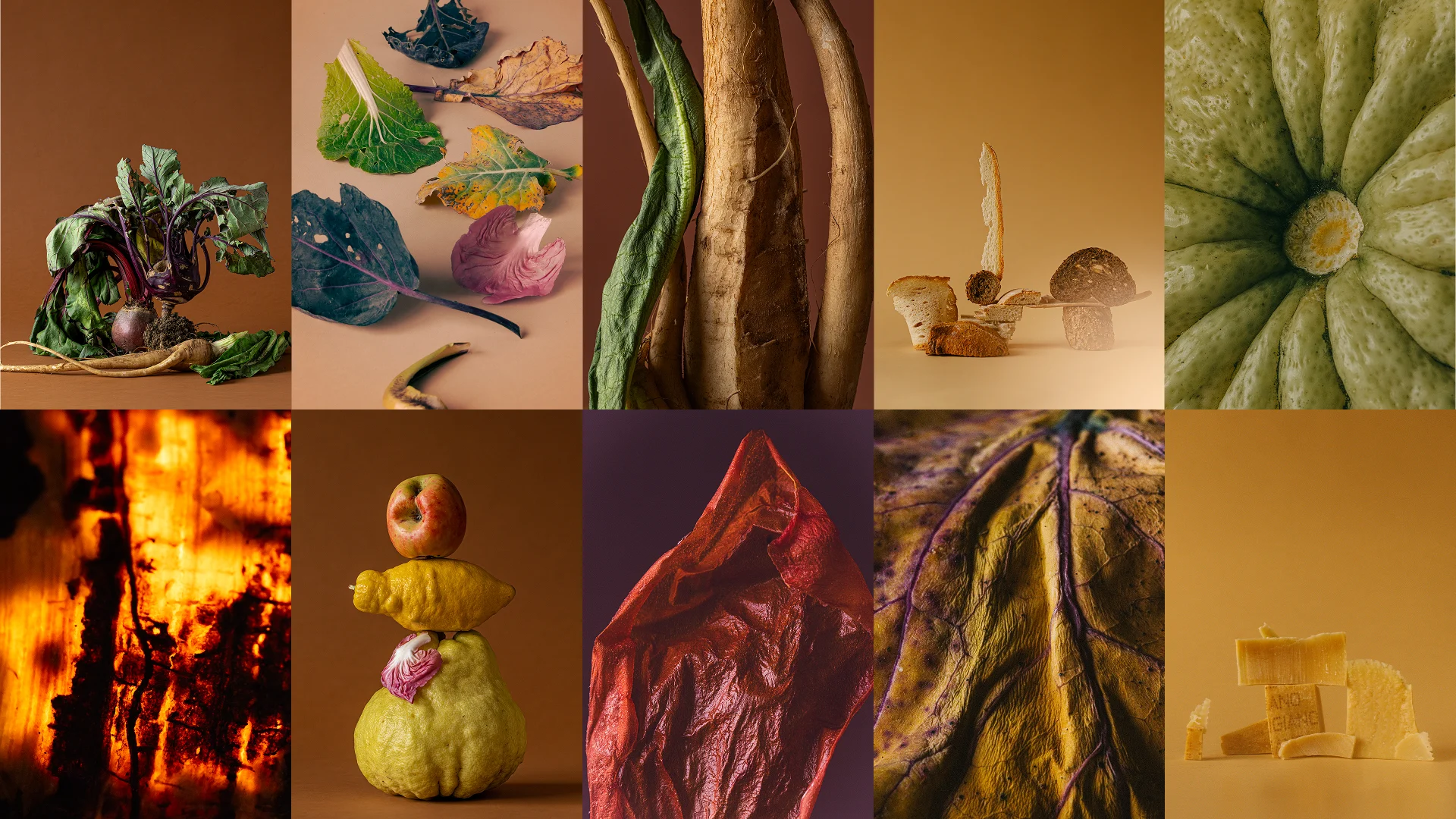
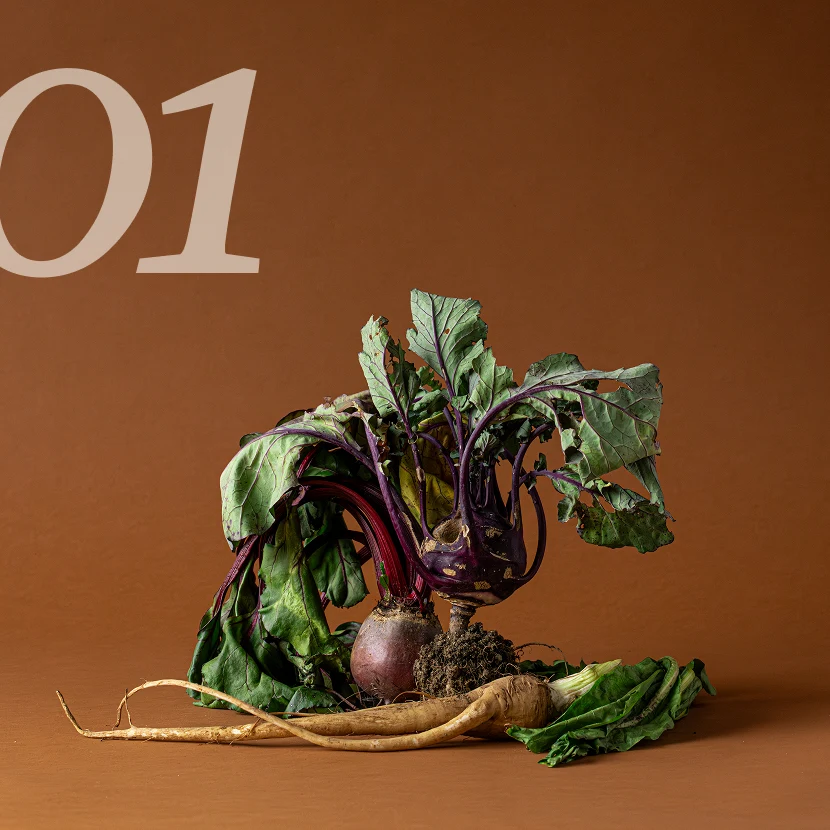
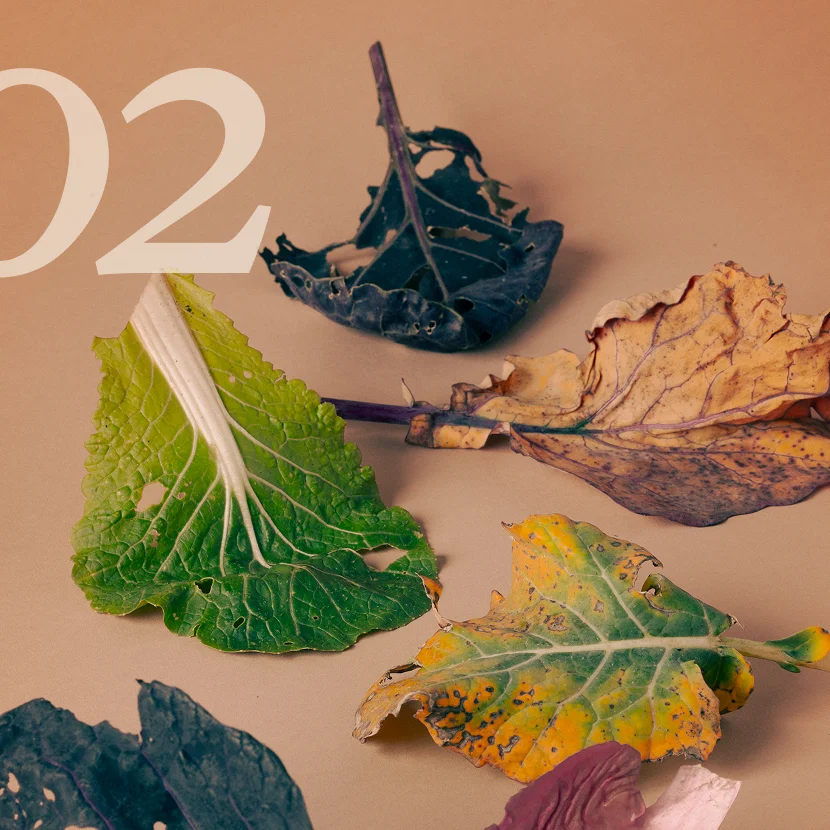
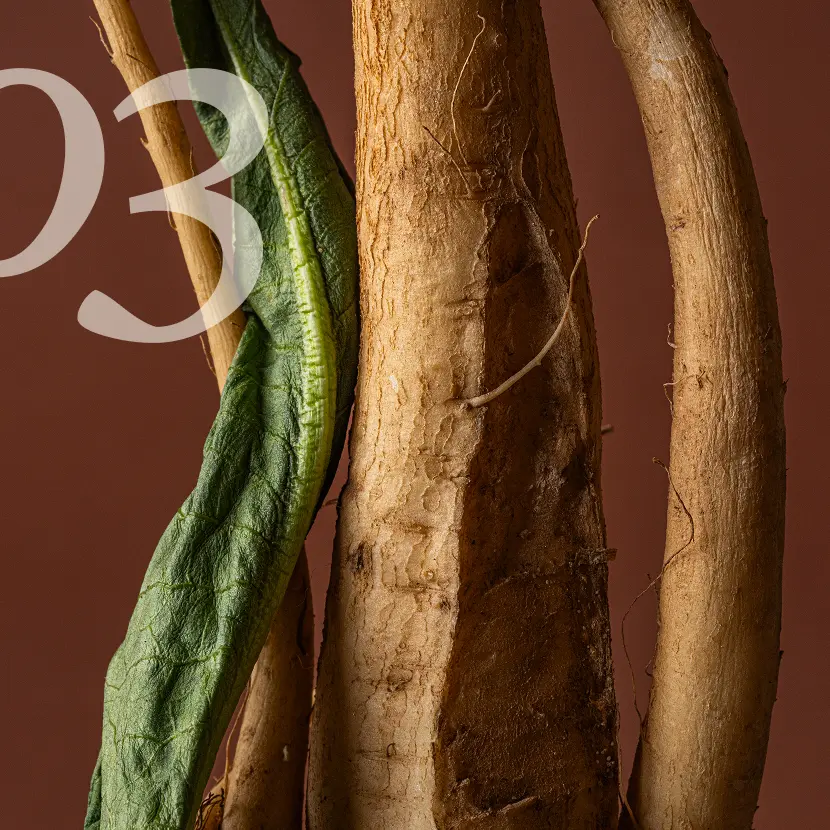
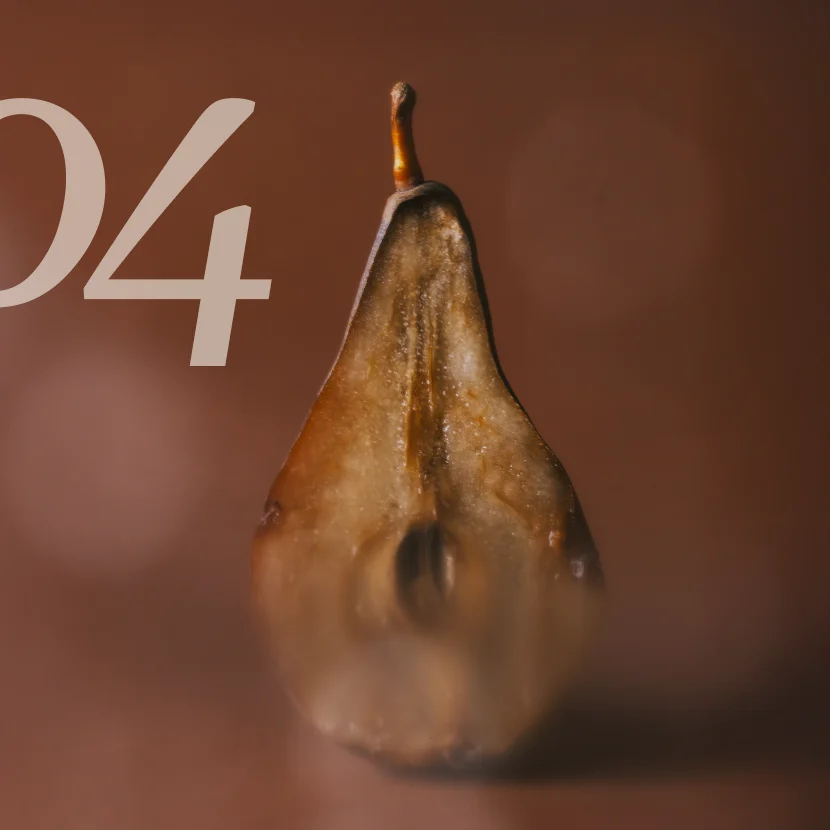
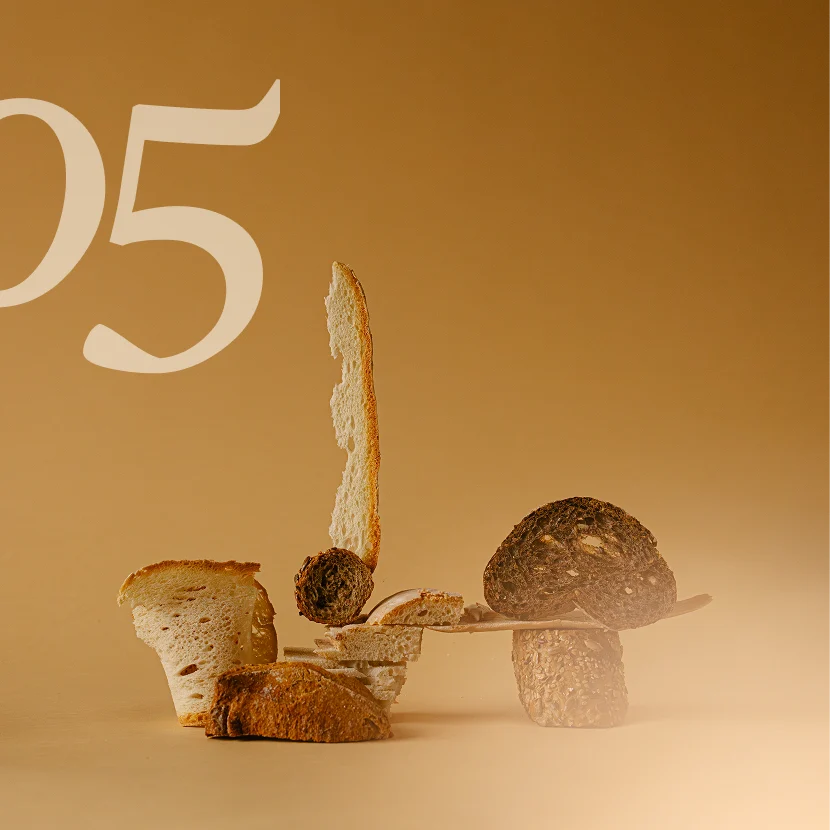
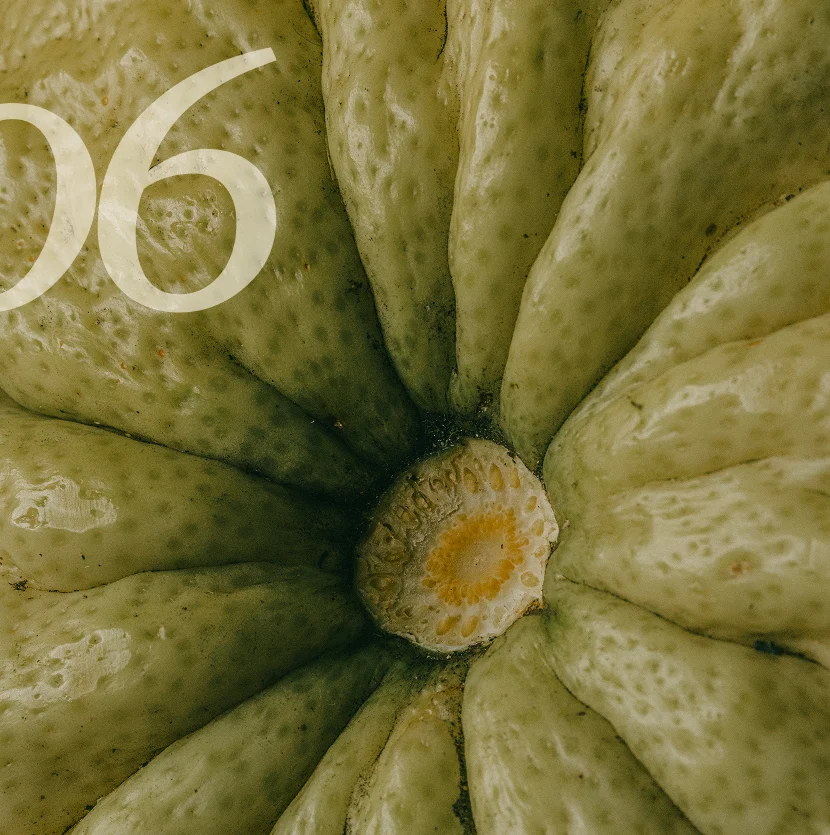
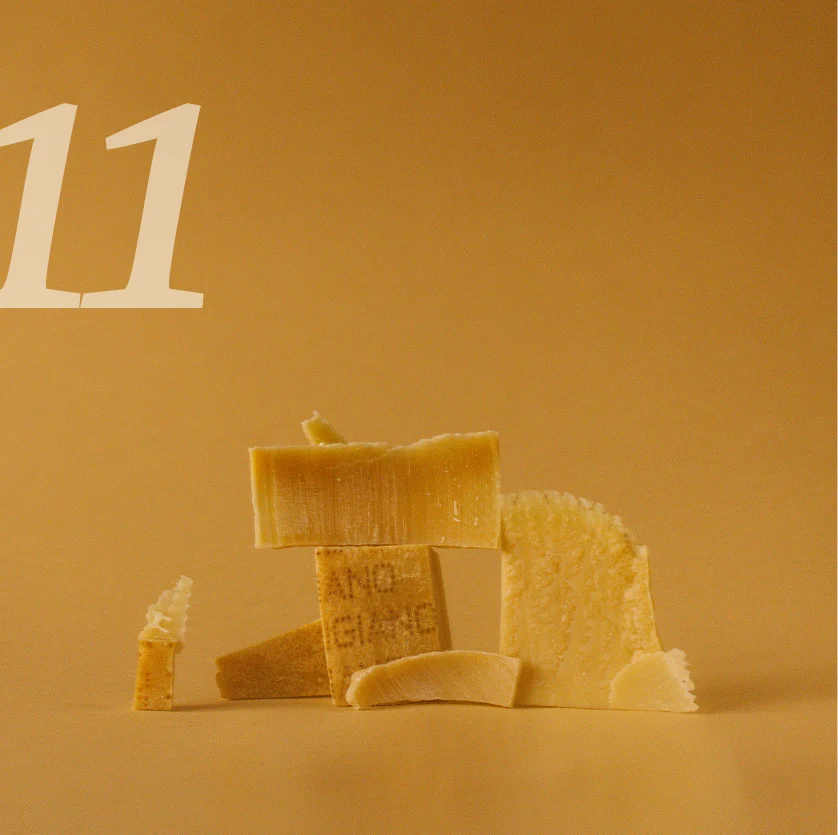
The values are each paired with an image from a photographic series exploring food waste through an artistic lens. The series was created through the vision of photographer Letizia Cigliutti and her photo assisant Mattia De Nardis, the creativity of Set Designer and Art Director Cecilia Tosques, and the contribution of Set Design Assistant Claudia Feliciares. Their work brings attention to what often goes unnoticed, revealing the hidden beauty of imperfect ingredients.
Food is a universal language
Recipes of who we are and where we come from.
Discover more
In 2015, the world gathered in Milan for EXPO around one question: How can we feed the planet, while ensuring a sustainable future for all?
From that question, Food for Soul was born.
Through our projects, from Refettorio development to advocacy campaigns, from capacity building to civic engagement, we aim not just to feed more, but to nourish better. To nourish means to educate, create awareness, build community—through culture.
Food is culture and it goes far beyond the plate. It connects people, ideas, knowledge, traditions across time and place. Food is the memory of the past and a responsibility for the future.
Beauty is a form of care
Everyone and everything deserves attention.
Discover more
“Beauty, without doubt, does not make revolutions. But there comes a day when revolutions need it.”
— Albert Camus
To create beauty is to make space for dignity, courage, hope. Beauty works quietly and lives in details.
We practice beauty everyday in our Refettorio Projects: how a room is lit, how a table is set, how a single flower is placed. We hang art not to decorate, but to tell each person who walks in: you are worthy of this.
Beauty is the spark that keeps imagination alive. With poetic eyes what seems ordinary reveals its potential.
Open arms and a table to share.
Discover more
“Hospitality isn’t about service or perfection, it’s about presence. It’s about creating a space where someone feels seen, welcome, and safe to be themselves.”
— Lara Gilmore, Co-founder of Food for Soul
Hospitality begins long before the food reaches the table. It lives in every gesture: in the way we greet, listen, serve, and say WELCOME.
That word has always guided our work, from the dining rooms of Osteria Francescana to the Refettorio projects around the world. To welcome means to open our world and invite others in, trusting that something meaningful will happen in that space.
At every table, we are reminded that dignity begins with a simple act: to make someone feel seen, valued, and included.
Service is a way of life
Transform a meal into an experience.
Discover more
In the language of restaurants, service is the invisible work that connects the kitchen and the table. It goes hand in hand with the food, shaping the experience through presence, listening, and care.
That same idea lives at the heart of Food for Soul. When Refettorio Ambrosiano opened in Milan, the response was immediate and unexpected. People came forward offering their time and their hands.
Since then, volunteers have become the heartbeat of every Refettorio project. They welcome guests, set tables, prepare spaces, open conversations, serve meals. They complete the work begun in the kitchen, turning a meal into an experience of dignity.
Service for Food for Soul is about reflecting on a simple question ‘How Can I Help?’
Potential is making visibile the invisible
Ordinary becomes extraordinary.
Discover more
It all began with a memory — and a piece of bread.
As a child, Massimo Bottura remembers fighting with his brothers for the leftover crusts from the night before, soaking them in warm milk and coffee to make zuppa di latte. What was born out of simplicity became a ritual of comfort and joy. Years later, that same spirit would inspire Bread is Gold — a dish created during the first services at Refettorio Ambrosiano, where day-old bread was turned into dessert.
“Bread is Gold would become the anthem under which we chanted the unsung values of recovering recipes and all those discarded, undervalued, and neglected ingredients that have always played a central role in the Italian kitchen.”
— Massimo Bottura
Bread is Gold became the symbol of a new way of seeing: giving value to what is often dismissed, finding meaning in what remains. From that first loaf, Food for Soul was born — and with it, a belief that beauty lies in the most humble places, if only we choose to look.
Quality is in everything
Not only the quality of ingredients; also the quality of ideas.
Discover more
Ideas are nourishment. Just as food sustains the body, ideas sustain the inner life – shaping perception, guiding choices, defining meaning. Quantity of ideas offers inputs, scenarios, possibilities. Their quality provides coherence in complexity and direction amid noise.
“Creativity is not about doing something new. It is about looking with new eyes”
— Massimo Bottura.
Quantity adds: Quality transforms. Quantity informs: Quality forms.
Choosing ideas grounded in truth, ethics, and human experience is an act of self-respect and cultural stewardship.
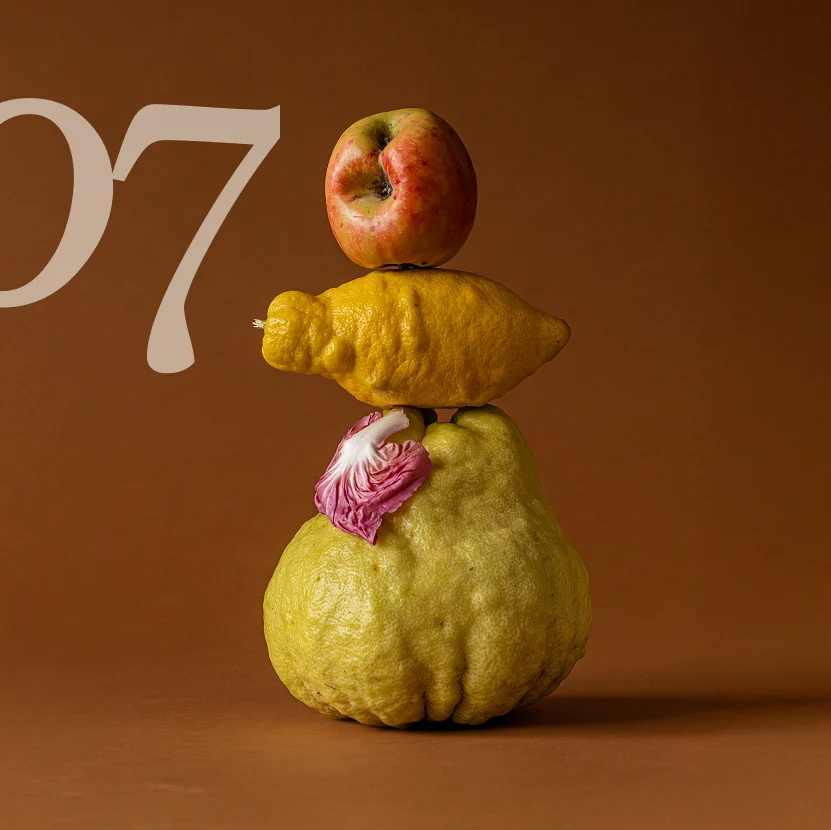
No More Excuses is our call to act
Change begins with what we do.
Discover more
When Refettorio Ambrosiano opened in 2015, the words No More Excuses lit up on the walls of the building: a reminder that change begins with what we do. That message has guided us ever since.
When chefs recover surplus ingredients to prepare a meal, when volunteers set the table with care, when artists and architects transform forgotten spaces into places of beauty and dignity — each act shows that awareness becomes meaningful only through action.
No More Excuses is a call to act: to take part and contribute.
Change begins with what we do.
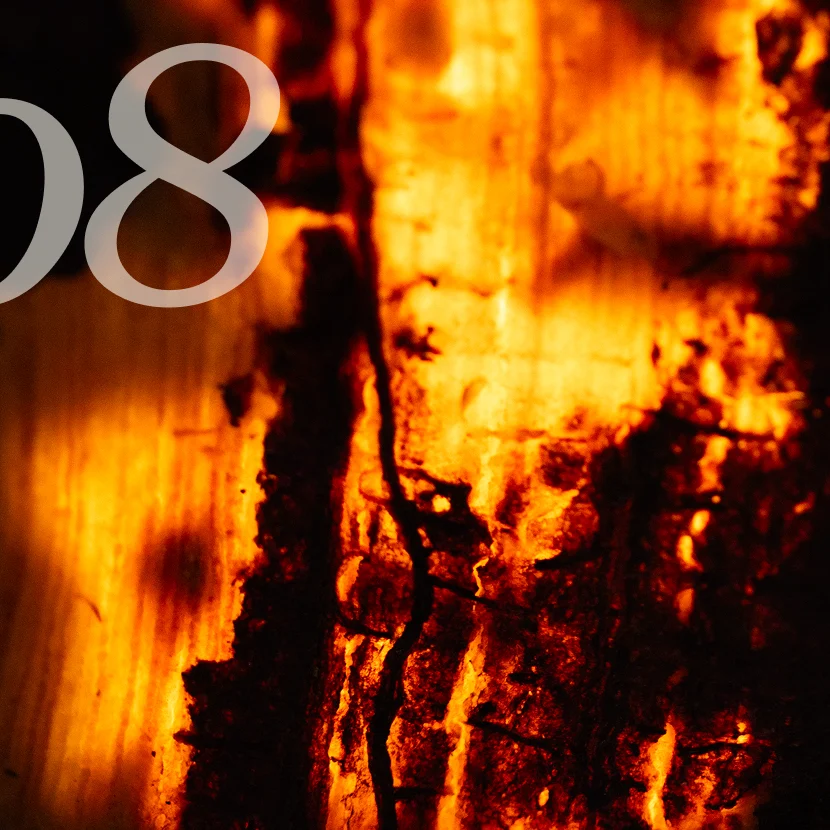
Culture is the ingredient of the future
Knowledge. Consciousness. Sense of responsibility.
Discover more
It was the opening day of Refettorio Gastromotiva in Rio de Janeiro. No water, no gas, no electricity — only people, raw energy, and the will to begin.
In that chaos, Massimo Bottura looked around and saw volunteers peeling bananas. There were eggs, a little pasta, and one small piece of bacon. The team found camping burners and, with what they had, decided to cook. They boiled the peels, toasted them, made them crunchy, and smoked them right there, in the middle of Lapa. No one realized that the ‘bacon’ was made from banana skins. “This is the work of a chef,” Bottura says. “To make visible the invisible.”
“Culture brings knowledge. Knowledge leads to consciousness. And when we become conscious, we are one step closer to becoming socially responsible. Culture is the key.”
That day, culture became action and cooking became a civic gesture. Culture shaped a choice — and a meal — that dignified people, rescued food, and transformed a moment into a lesson for the future.
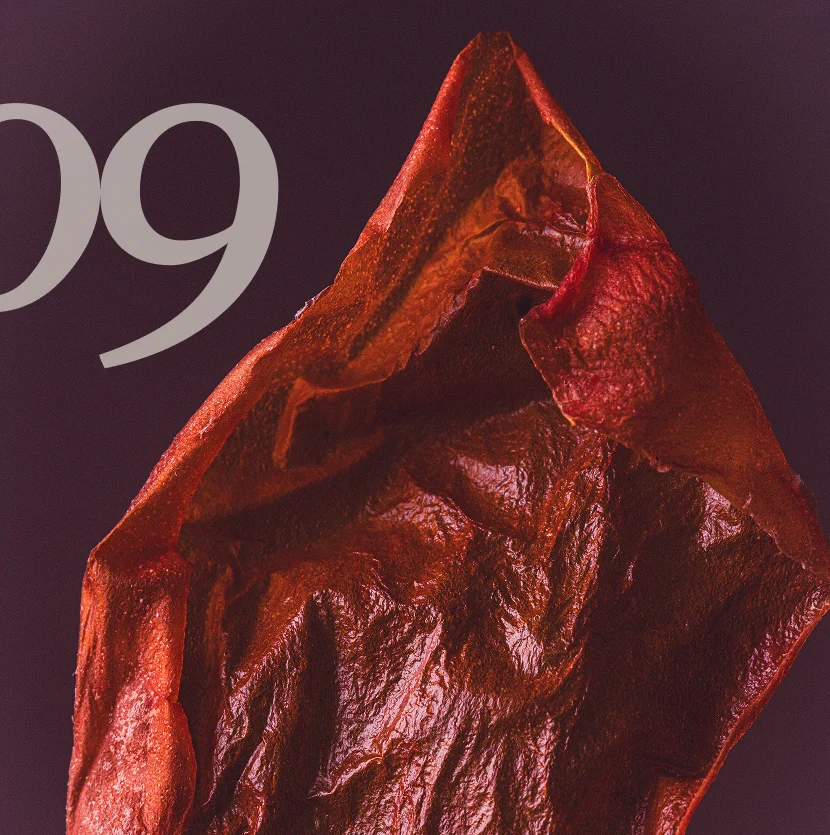
Cooking is an act of love
Feed the body and the soul.
Discover more
In Italy, we call it cucina povera: the clever way of making the most out of what we have.
It’s a culture built on respect: for the land, for those who work it, and for every ingredient that finds its way to the kitchen. Nothing is ever too small, too bruised, or too late to have value.
This is how we learn to cook: by looking at ingredients not for what they cost, but for what they can become. A browned banana can turn into gelato, a crust of bread into dessert, a simple tomato into a warm pappa al pomodoro.
This is the beauty of cooking: transforming limits into opportunities, surplus into shared values.
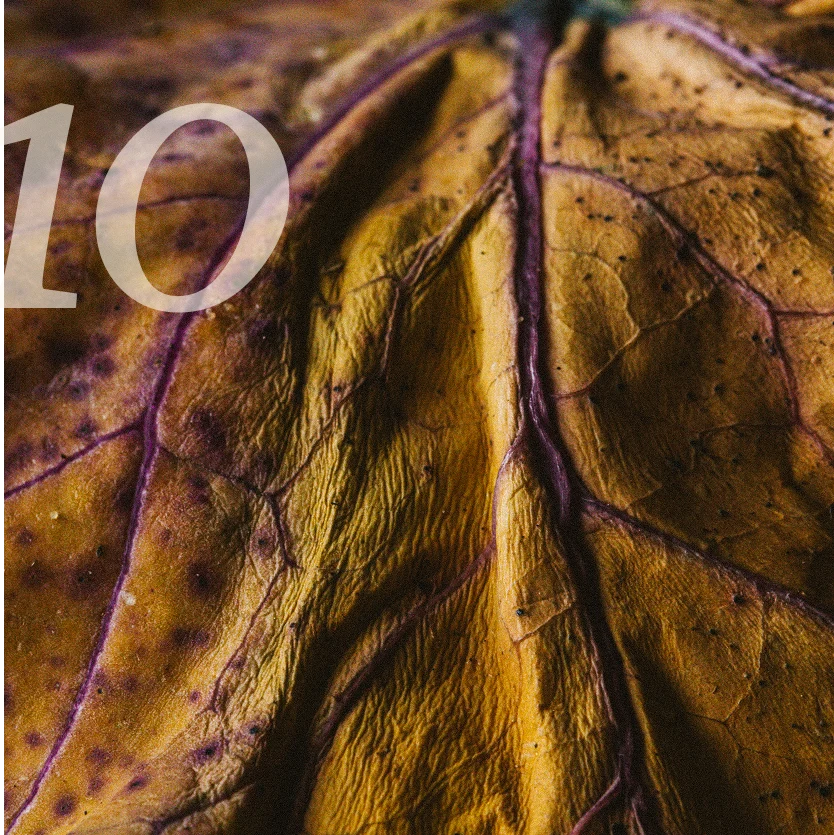
Table is where everyone is equal
Community is sharing a meal.
Discover more
The word Refettorio comes from the Latin reficere — to remake, to restore, to repair.
In the monastic tradition, the refettorio is a place for renewal: a space where monks eat side by side, sharing food and silence as equals.
That idea is at the core our ‘Refettorio Model’: each Refettorio is not defined by walls, but by what happens around the table: restoration through beauty, inclusion through listening, transformation through togetherness.
At the table, everyone has a place. Food is a bridge, and every gesture builds connections.
We are the revolution
We are Food For Soul.
Discover more
In May 2012, two earthquakes struck Emilia-Romagna, leaving behind silence, fear, and broken lives. Among the ruins, 360,000 wheels of Parmigiano Reggiano lay shattered on the ground — the pride of a region reduced to fragments.
Massimo Bottura and Osteria Francescana team reacted not with words, but with a recipe. Riso Cacio e Pepe became their answer — a gesture of solidarity that turned loss into possibility. By replacing the traditional Pecorino with Parmigiano Reggiano, they gave the damaged cheese new life, inviting the world to cook with it.Over 60,000 people responded and all 360,000 were sold—transforming a crisis into a rebirth. From that moment we understood that change is a collective recipe.
We Are The Revolution.
This manifesto by the artist Joseph Beuys reminds us that change asks each of us to step forward. Change happens when many hands work together: cooks and artists, farmers and artisans, students, volunteers, and neighbors.
This is the revolution we practice: collaboration that turns awareness into action, culture into responsibility, and care into change—one meal at a time.
We Are Food For Soul.